Ride Kindly, Ride Safe along Glasgow’s Waterways

Today we explore cycling etiquette and safety on Glasgow’s canal network, celebrating considerate riding from Speirs Wharf to Stockingfield Bridge and beyond. Learn how to share narrow towpaths, communicate clearly, anticipate changing surfaces, and respect wildlife and neighbors, so every journey feels calm, welcoming, and beautifully connected to the city’s waterside communities. Join in with your experiences, questions, and favorite stretches to help everyone enjoy smoother, safer rides.

Share the Space with Confidence

Towpaths are living corridors where walkers, joggers, anglers, families, and cyclists mingle in close quarters. Success begins with patience, a friendly bell, and deliberate pacing that matches conditions. Give people time, offer a smile, and let courtesy lead every decision, especially at blind corners, narrow pinch points, and lock-side areas where attention and empathy prevent stress, surprises, and unnecessary conflict for everyone enjoying the water’s edge.

Approaching Pedestrians

Ease off the pedals well before you arrive, let your bell chime gently, and say a warm hello while keeping ample space. Imagine you are a guest passing through someone’s quiet room. If they don’t hear immediately, stay patient, avoid sudden swerves, and wait for a clear moment. Eye contact and a relaxed posture make people feel safe, and your calm approach sets a reassuring tone for the whole path.

Passing Families and Dogs

Children wander, buggies drift, and dogs zigzag joyfully. Slow to a walking pace, call out kindly, and pass as wide as the path allows. If a lead stretches across the towpath, stop and let it be gathered. Thank people as you go, because gratitude softens nerves and builds goodwill. Moments like these define the canal’s character, where small courtesies transform narrow spaces into generous, welcoming routes for everyone’s daily adventures.

Mastering Towpath Conditions
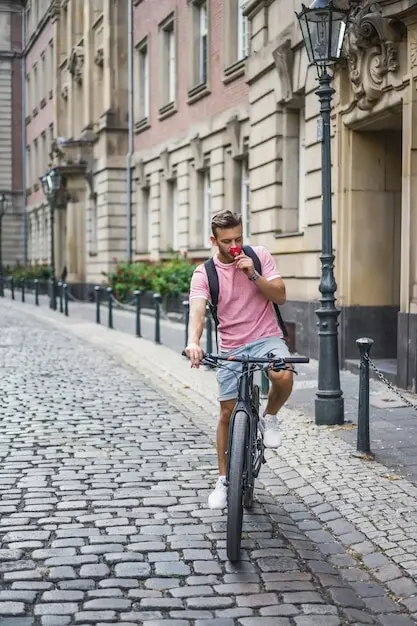
Canal edges change character with every week: polished cobbles near warehouses, damp leaves under bridges, loose gravel at maintenance sections, and occasional puddles masking deeper ruts. Anticipate quietly, look far ahead, and relax your upper body. Soft hands, steady cadence, and earlier braking preserve balance and grip. When surfaces surprise you, accept the moment, straighten the bike, and roll through calmly. Mastery here is patience practiced, not bravado displayed.

Signals, Sound, and Communication

Using a Bell Politely

Think of your bell as a gentle door knock, never a horn. Two short chimes from a distance, then a brief pause for acknowledgment, work beautifully. If no response, try once more and slow further. Pair the sound with a friendly greeting so intent feels unmistakable. Bells prevent surprises, encourage smiles, and reinforce that you are ready to wait. Politeness heard early removes urgency later, keeping moments calm and comfortable.

Clear Hand Signals

On narrow approaches and junctions near bridges, extend your arm deliberately and hold the signal longer than you might on the road. Pedestrians and riders watching from different angles need time. Choose a stable moment—coast or soft-pedal—to avoid wobble. After signaling, commit smoothly without darting. If someone looks unsure, reset and offer passage. Hands speak trust when words fail, guiding safe choreography through Glasgow’s canal curves and shared gateways.

Riding with Music or Headphones

If you enjoy music, keep volume modest or leave one ear open so bells and voices remain audible. The towpath’s soundtrack—water, laughter, and tire noise—contains safety clues you do not want to miss. When groups approach, pause playback to improve awareness. Earbuds can isolate, so counterbalance with slower speed and extra scanning. Let your rhythm complement the environment, not overpower it, preserving sensitivity to people and the living canal.

Busy Spots and Quiet Stretches

Around cafés and waterside seating, slow early, unclip a foot if needed, and treat the area like a shared living room. Farther out, quieter sections may mask surprises: dogs off-lead, fast runners, or drifting leaves on smooth tarmac. Let your baseline speed remain conversational, not urgent. Familiarity can tempt shortcuts; instead, rehearse best practices everywhere. The same patient cues that ease congestion also prevent lone mishaps on silent mornings.

Navigation Tips around Junctions

At converging paths, assume someone is hidden just beyond the angle. Announce yourself well in advance, occupy a clear line, and prioritize legibility over position. When signage appears, glance early rather than braking late. If you miss a turn, continue safely and loop back rather than cutting across. Stockingfield’s elegant spans attract attention upward; keep eyes scanning the deck as well. Confidence grows when directions and movements remain simple, steady, and considerate.

Seasonal Surprises on the Waterway

Spring blossoms shed petals that hide slick patches; summer crowds widen unpredictably; autumn leaves polish corners; winter frost lingers in shade long after streets thaw. Inflate tires sensibly, soften braking, and expand stopping distances. Carry a small cloth to clear lenses or lights after drizzle. Wildlife activity also shifts—give swans and cygnets space and patience. Seasonal awareness transforms routine commutes into well-judged adventures that respect nature’s calendar and community rhythms.

Preparedness and Bike Setup

Brakes, Tyres, and Traction

Towpath braking relies on gentle modulation, not last-second grabs. Keep pads and rotors clean, and test grip at low risk before committing speed. Slightly wider tires at moderate pressures absorb chatter and maintain contact over cobbles, damp leaves, and gravel. Avoid aggressive cornering; straighten before rough seams. The goal is composure—quiet hands, even weight, and early decisions. Reliable hardware paired with thoughtful technique creates a smooth, respectful presence around others.

Visibility without Blinding

Aim your front light just ahead of your wheel, letting the beam fall rather than pierce. Use a steady setting where possible—rapid flashing can disorient on tight paths and under bridges. Choose a rear light bright yet civil, complemented by reflective ankle bands that mark motion clearly. Oncoming users will thank you, and you will read the surface better, reducing mutual glare. Kind illumination guides, informs, and welcomes rather than overwhelms.

Carry the Right Essentials

A compact multitool, spare tube or plugs, pump or CO₂, and tire levers resolve most hiccups. Add a lightweight lock for spontaneous café stops and a small first-aid pouch for scrapes. Pack snacks, water, and a thin waterproof to outlast Glasgow’s playful showers. Keep a charged phone and emergency contacts handy. These simple preparations transform uncertainty into choice, letting you help yourself—and occasionally a stranger—without drama on the towpath.

Courtesy, Community, and Reporting

Kindness scales. Smiles and thank-yous today become calmer encounters tomorrow, nurturing a canal culture everyone protects. If you spot damage, glass, or unsafe behavior, report it to Scottish Canals promptly and factually. Join local clean-ups, share constructive tips, and celebrate considerate moments online. Your presence is influence: each gentle pass, steady speed, and waved apology writes a better story. Invite friends to learn, subscribe for updates, and keep conversations flowing.
Zorixaritemidavokaro
Privacy Overview

This website uses cookies so that we can provide you with the best user experience possible. Cookie information is stored in your browser and performs functions such as recognising you when you return to our website and helping our team to understand which sections of the website you find most interesting and useful.